 Pro Content
Surfari Surf Shop (Swiss) Adapts to Covid and Appreciates Brands’ Support
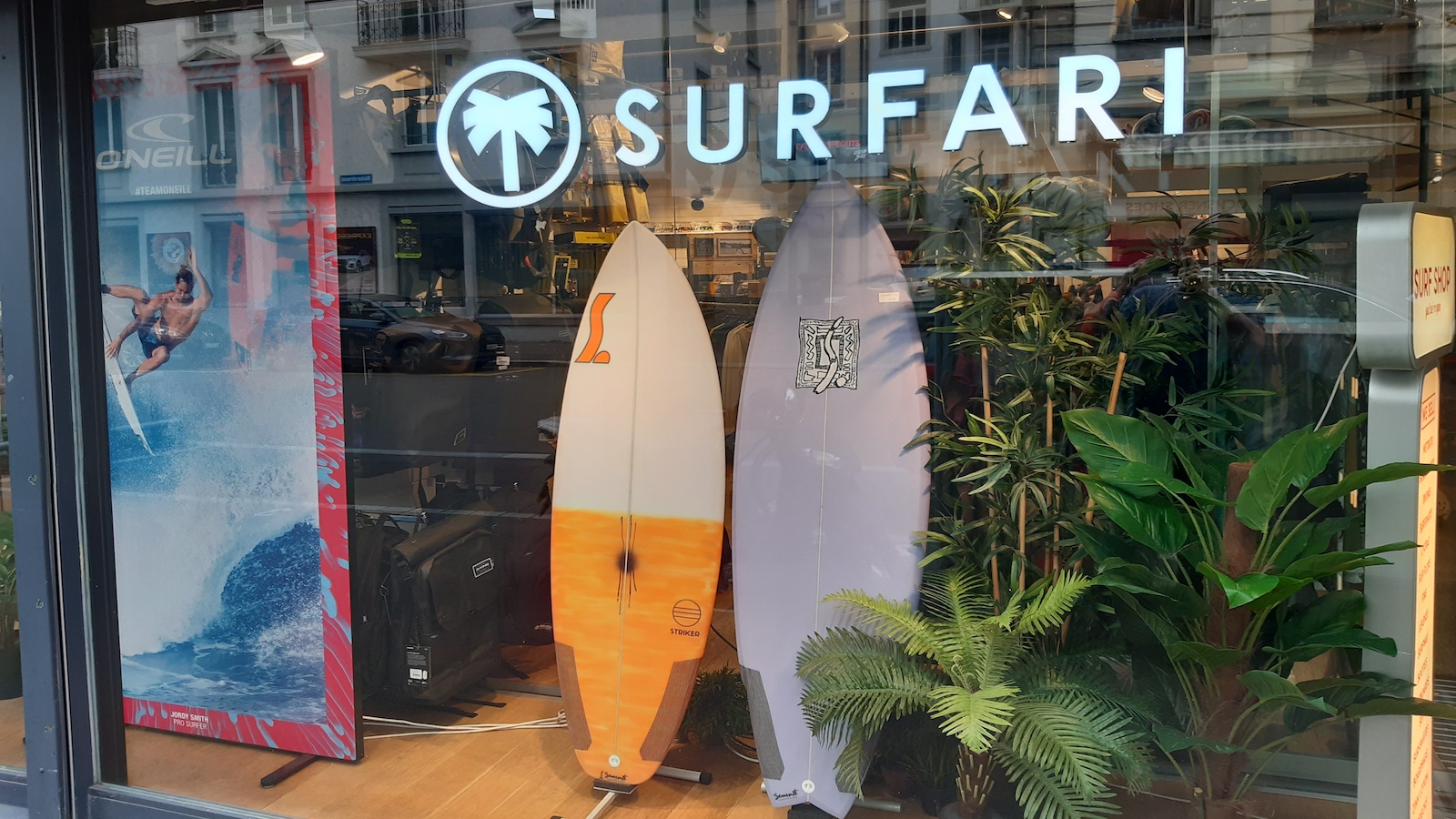
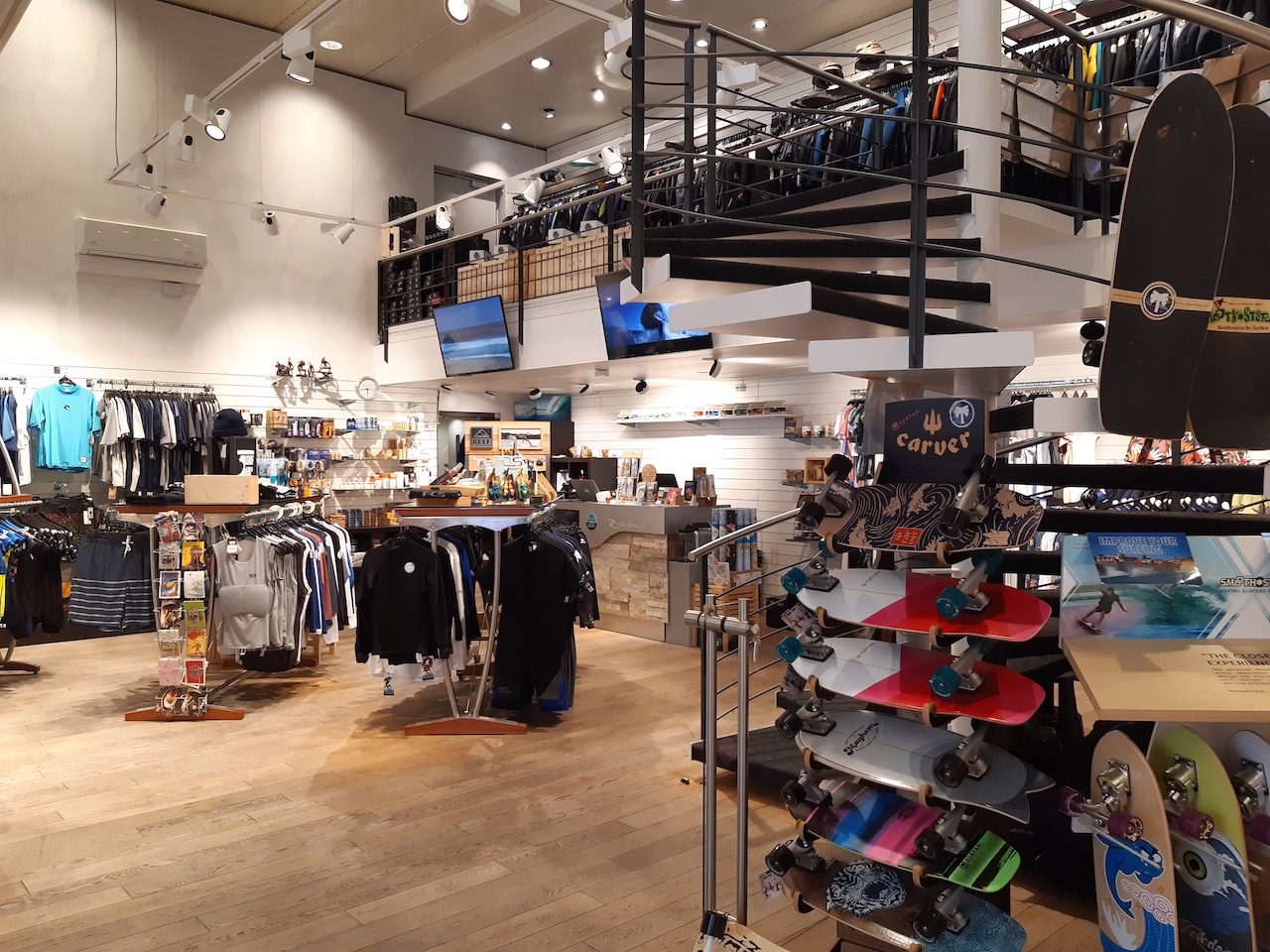
Located in landlocked Switzerland, Surfari Surf Shop in Zurich are proud to be a leading surf goods focused retailer. Regardless of the difficulties faced during lockdown, they’ve worked extremely hard to be COVID flexible. Today they stand tall and tell us the insides of their sales, partners’ support and their rational attitude towards the future of the industry.
How has COVID-19 affected the outdoors sports industry in Switzerland?
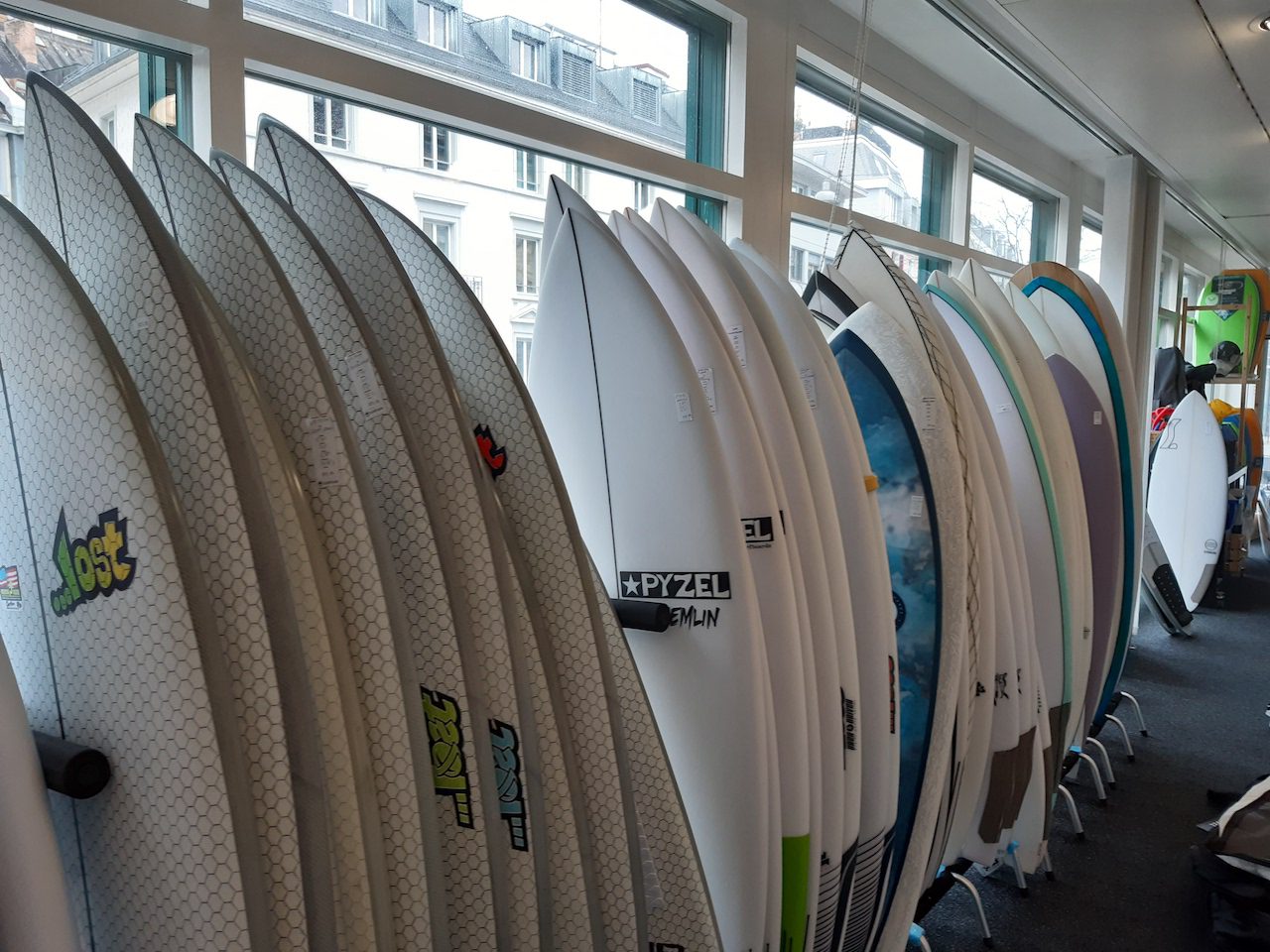
Being a core surf shop in a landlocked country during the lockdown has been really challenging. Most of us usually travel in order to surf in the ocean. Luckily for us, we have two artificial waves in Switzerland and a dozen natural static waves in rivers. Being Switzerland’s biggest suppliers of pool and river surfboards, we were able to actually increase the board sales. In general, we saw way more people exploring outdoor sports like biking, hiking, running, cycling. However, I have to mention that Switzerland has only shut down parts of the industry such as retail, gastronomy and recreation, but we never had a hard lockdown where people weren’t allowed to leave the house. Because the lockdown and the opening afterwards were during the summertime, we managed to recover from it. The demand for watersports equipment is on the rise. But for us, being a landlocked core surf shop, it’ll become way more interesting during the upcoming winter with no reachable surf destinations. We usually sell boards, boardbags, rashies, boardshorts, wetty tops etc. during wintertime because our customers travel to tropical places. Now with all the travel restrictions in place we’re definitely going to notice the lack of “reachable” summer or surf destinations in general.
How did you cope with the confinement when Switzerland closed down?
Fortunately, we were already running an online store and had an existing base of online customers. During the first couple of weeks, we worked a lot more than usual in order to show the variety of goods in our online shop. We immediately retrieved all goods from our other shops and turned our main store into a big warehouse for online order fulfilment.
Did you receive any support from the government?
Yes, and quite a lot. We didn’t use it, but the government would have covered 80% of the salary for working hours that went missing because of shop closures. We were also granted an interest-free credit for 10% of our yearly turnover. We’ve used neither so far, but it sure helped a lot in terms of me being able to sleep at night. So far it looks like we’re going to make it by ourselves – but, of course, paying rent for closed stores, salaries, bills and the rest of it, is not a business model we can make a living off.
During the last 2 economic downturns surfboards sales have boomed. Can you confirm?
I’m pretty sure that is not the case in Switzerland, since we’re heavily dependent on travelling. If the economy is unstable, people spend less money on travelling and Swiss surfers usually have to take a vacation in order to get close to the ocean. Travel activities came to a full stop during the lockdown, for us it resulted in 0 sales of boardbags. Living by the ocean means surfing is free once you have your gear – that, unfortunately, doesn’t apply to us. But, on the other hand, we sold hundreds of surfskates from brands like Carver or Smoothstar. We, therefore, would agree on booming board sales, but only if it includes skateboards and SUPs.
We have seen tremendous solidarity amongst those who worked hard before and especially during the closure. I think because things were really uncertain, we all kind of sought shelter under the same roof and managed to get through. Nobody knew what was going to happen – everyone felt the pressure, but the mood between the partners was really friendly. Payment terms became flexible – maybe because if suppliers were strict, some shops would have been forced to give up with no bills paid at all. But in our case, every brand we had a personal connection with (e.g. Rip Curl, Quiksilver, ION, Semente, etc.) was supportive and the bond between us has become even stronger during the closure. At the end of the day, it’s the interaction between human beings that made it work, so having local distributors or agents surely paid off for the brands.
Of course, there have also been some partners who used COVID as an excuse for problems that existed years before. Admittedly, parts of the industry (like event organisers) had no chance of any kind of operation during the lockdown, so some like us were lucky enough to have a chance to reflect and improve existing organisational structure and get creative in ways we weren’t before.
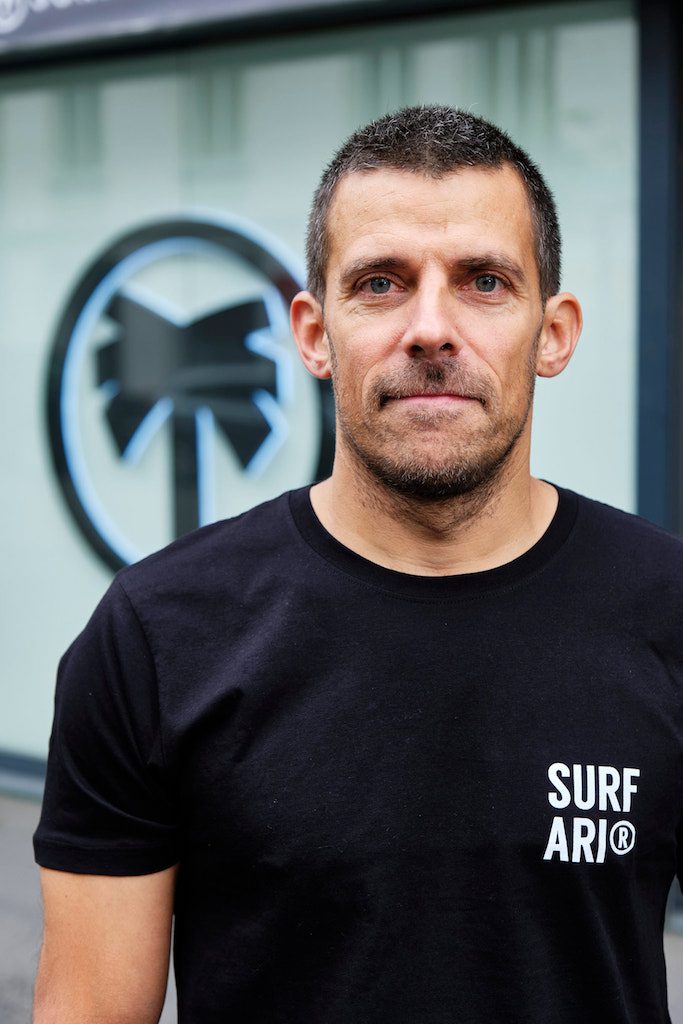
Roman Hartmann, CEO
What are the current opportunities and threats facing your store in terms of supply and demand?
As of now, it is ok. Shutting down the stores has led to a change of goods we sell. It wasn’t that crucial for us that there was a shortage of boardbags, fins, leashes, etc. In the long term, I think, it could lead to a shift in a way of “produce/buy local”. The surfboards we sell the most are made by Semente in Portugal, Europe – we had no problems in getting those boards to Switzerland. Short supply chains paid off and so did having a solid stock.
What does the new normal look like for your business and customers after country reopening?
At the moment we’re living off the idea that there will be normal travelling again. Nowadays flying to surf destinations is almost impossible. And even if flying/travelling is allowed again but stays complicated (at the moment Swiss surfers, for example, have to go into two weeks quarantine after most trips) surfing for the Swiss may become less appealing. We then would have to find other fields of sports to interact with instead of surfing.